Planning a kitchen renovation: a practical checklist
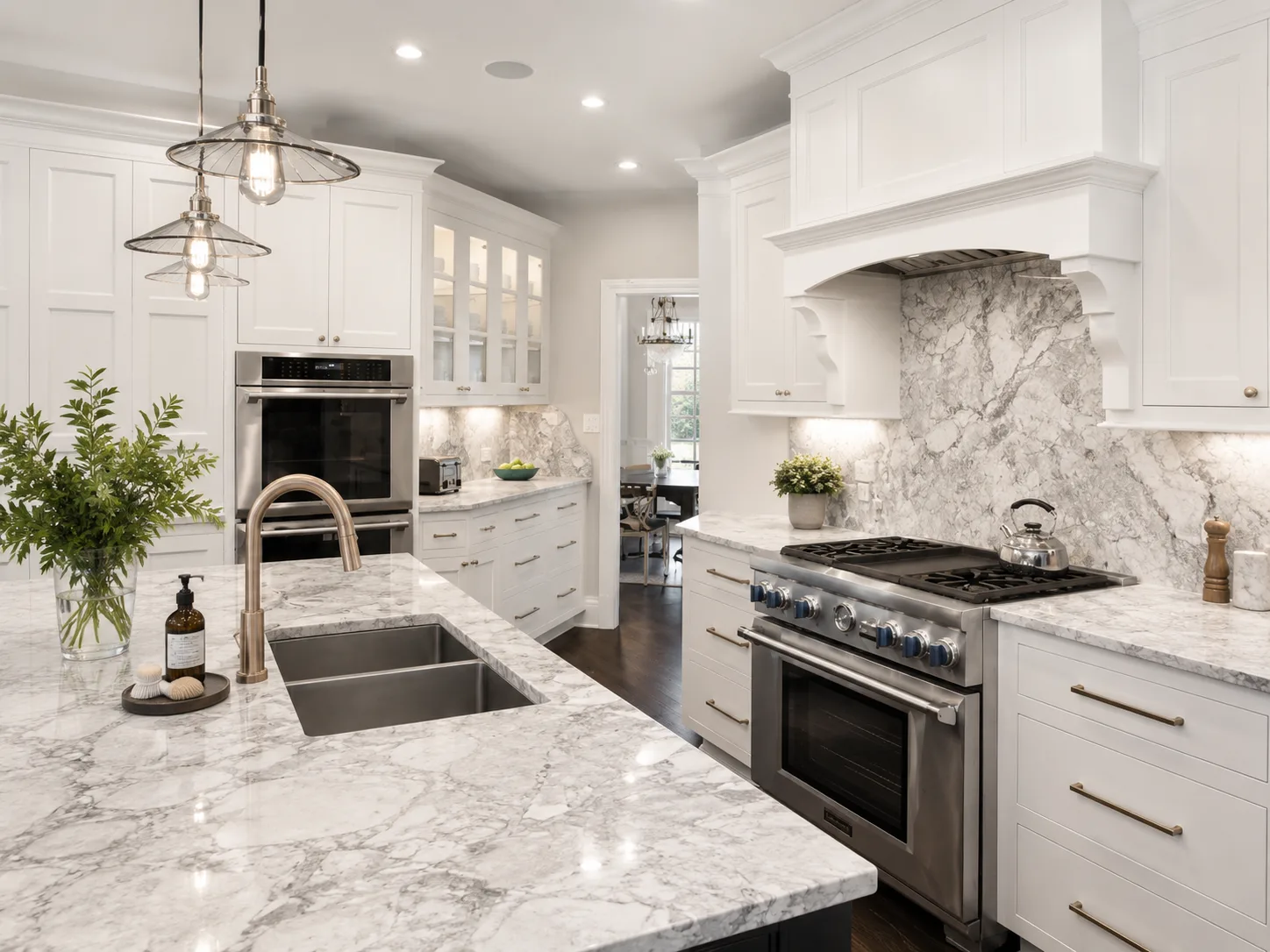
A kitchen is the hardest-working room in the house, and a renovation is a real investment. The projects that go smoothly almost always share one thing: good planning before the first cabinet is removed. Use this checklist to get your thinking in order before you start — it'll make your quote more accurate and your build less stressful.
1. Define how you actually use the kitchen
Before layouts and finishes, get clear on how you live. Do you cook daily or entertain on weekends? Do multiple people use it at once? Is it the family hub or a quiet galley? Your answers shape everything that follows.
- Who uses the kitchen and when?
- What frustrates you about the current one?
- How much bench space and storage do you really need?
2. Set a realistic budget (with a buffer)
Decide what you're comfortable investing, then keep a contingency for the unexpected — older homes in particular can hide surprises behind the cabinetry. Knowing your range up front helps you make selections that fit rather than falling in love with finishes outside budget.
3. Get the layout right
Layout matters more than almost any single finish. Think about the flow between fridge, sink and cooktop, the position of the island, and how people move through the space. Moving plumbing and gas costs more, so weigh the benefit of relocating fixtures against keeping them.
Spend your planning energy on layout and storage — they affect how the kitchen works every day, long after the novelty of a finish has worn off.
4. Plan storage early
Good storage is what makes a kitchen feel effortless. Think drawers vs cupboards, a pantry or appliance cupboard, and dedicated spots for bins and recycling. It's much cheaper to plan storage now than to wish for it later.
5. Choose appliances before cabinetry
Appliances drive cabinetry dimensions, so choose them before joinery is finalised. Confirm sizes for the oven, cooktop, rangehood, dishwasher and fridge cavity, and check power and ventilation requirements early.
6. Make your selections
Pull together the finishes so the look is locked before work starts — changing them mid-build causes delays and cost. Typical selections include:
- Cabinetry style and colour
- Benchtop material (stone, laminate, timber)
- Splashback
- Tapware and sink
- Handles and hardware
- Flooring and lighting
7. Understand the sequence
A kitchen renovation runs in a particular order — demolition, any structural or services work, then cabinetry, benchtops (often templated after cabinets are in), splashback, and final fit-off and appliances. Lead times on stone and cabinetry mean some items must be ordered well ahead. A good builder coordinates all of this so the trades arrive in the right order.
8. Talk to a builder early
You don't need every decision made before you reach out — in fact, an experienced builder can save you money by flagging buildability and sequencing issues while your plans are still flexible. The earlier the conversation, the smoother the project.
When you're ready, Aurum Built handles kitchen & bathroom renovations across Sydney. See also our bathroom renovation cost guide, and the real-world advice we've rounded up in lessons from Reddit.
Renovations Kitchens Planning
Ready to plan your kitchen?
Bring us your ideas — we'll help you turn them into a clear, well-sequenced plan.